
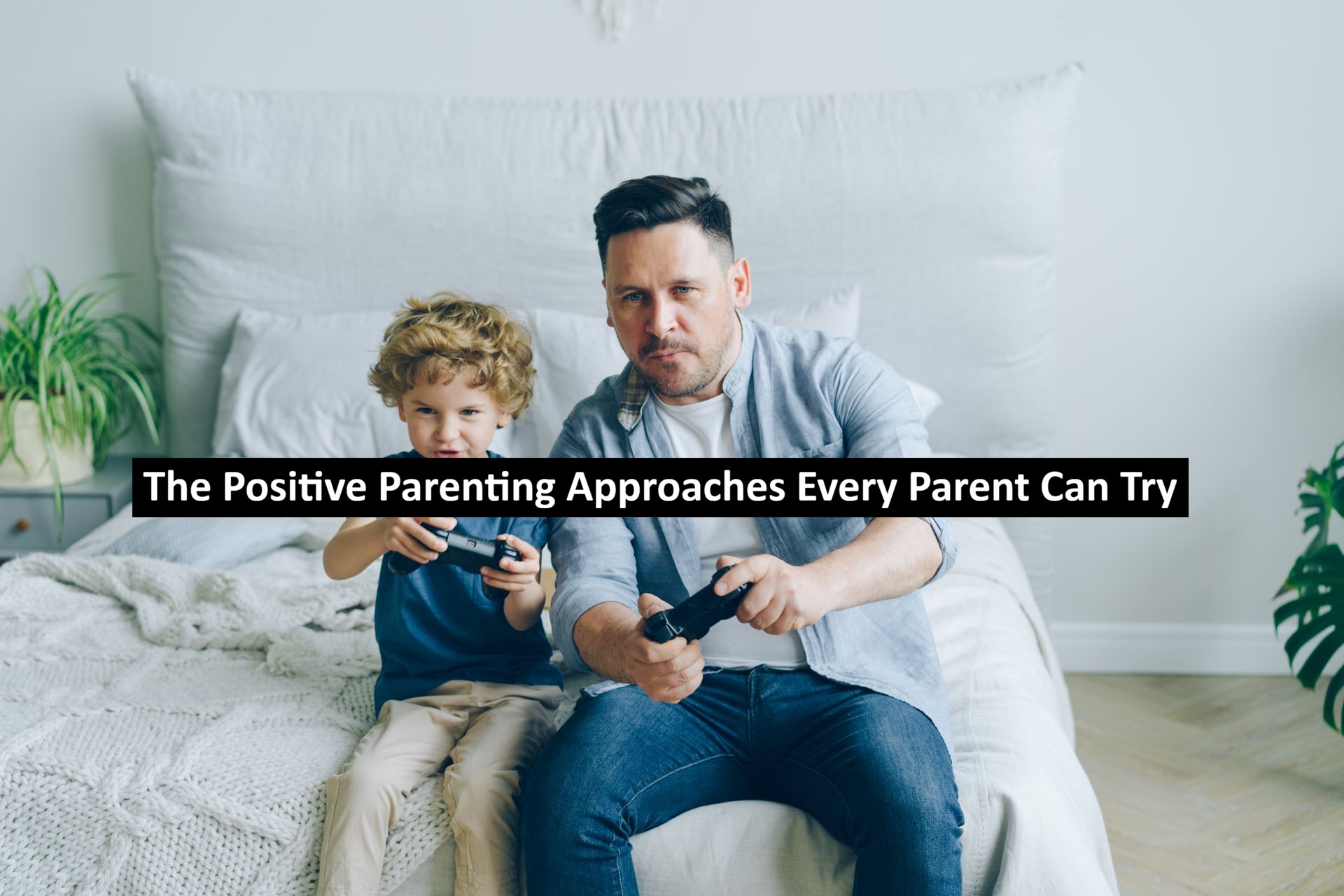
Nothing quite prepares you for parenthood – no advice, book or even an overly dramatic news article. Of course, suggestions from friends and family are welcome, though it can quickly become overwhelming to know what advice to listen to when each one is slightly different to the next. The truth is, no matter how much planning or research you do before having children, you will always face unexpected challenges and stressful situations that no amount of preparation could ever prevent from happening. In fact, you could argue that it’s completely necessary to make mistakes, not have any idea what you’re doing and have days you’ll loathe for the rest of your life. Because these are the exact moments that shape us into who we are, and the parents that we need to be
There are a variety of different parent approaches that you may consider adopting, and whichever you choose will likely depend on how you were raised by your parents and the values and morals you believe in. Though some approaches are more popular than others – and for good reason, such as those that foster gentle and positive parenting techniques designed to promote healthy emotional development. In this article, we will discuss some positive parenting approaches that every parent can try.
Active Listening Techniques
Demonstrating to your child that you can listen to their feelings, opinions and concerns can be influential in their emotional development. Start by making sure they have your full attention. We know how easy it can be to engage with their conversations as you’re busy with another task, but this may be having a bigger influence on your children than you think. It can easily cause them to feel invalidated and irrelevant, all because you’re innocently distracted by something else you’re doing.
Active listening lets them know that everything they think and feel is important, whether it’s a good or bad feeling. Over time, they will learn to trust you as a parent and be comfortable coming to you with any of their problems in the future. It is also an opportunity to show them what healthy communication looks like, which they can then transfer into their other relationships as they mature.
Read: 10 pictures Like John Wick to Watch if You Love Action
Encourage Accountability & Honesty
Often the children who behave poorly behind their parents’ backs are those who are unfamiliar with honesty and accountability. Let’s face it, it’s inevitable that as your child develops, they will make mistakes, befriend someone you don’t approve of or face detention for behaving badly in class. So if these events are sure to happen, wouldn’t it be better if they were honest about them? Rather than keeping it quiet for you to find out eventually anyway. If you’re hoping to raise children who are indefinitely honest and accountable, you need to make it easy for them to open up. Try to keep calm when listening to them, even when you feel frustrated and disappointed. When children don’t feel scared about how their parents might react, they will often naturally share more with them, even when they’re made to face the consequences of what they’ve done.
Accountability can also be encouraged through modelling behaviours that you’d like them to follow. Whenever you make a mistake, whether big or small, admit it in your own words, so that they can hear it. Still, there’s no point in trying to inspire accountability when you’re busy controlling or rescuing your children from the challenging situations they face. Although it might feel frustrating, it’s helpful to take a step back and let them experience the consequences of the decisions they’ve made. After all, you’re never far away if they truly need your help.
Make Boundaries Clear and Consistent
From toddler ages to teens, establishing clear boundaries with your children is important in helping to guide their morals and behaviours. Boundaries should help communicate family rules and what you expect from your children. It can be beneficial to discuss the reasoning behind any rules or standards that you set, as it can help them realise how important they are and see them as necessary as opposed to restrictive. Above everything else, boundaries have to be consistent. If they sense that you might not be serious about what you say, they won’t take the boundaries seriously.
As your children get older and approach their teenage years, you may find that more boundaries have to be put in place, as they spend less time under your watch and more time independently or with friends. It’s important to combine consistent boundaries with necessary rewards if they follow the rules they’ve been set. This could be by treating them to a new tracksuit from their favourite brand, sneaking a little bit of extra pocket money in their jar on the odd occasion, or planning a family games night. Boundaries combined with rewards help to encourage consistently positive behaviour in your children as they will look to impress you on many more occasions.